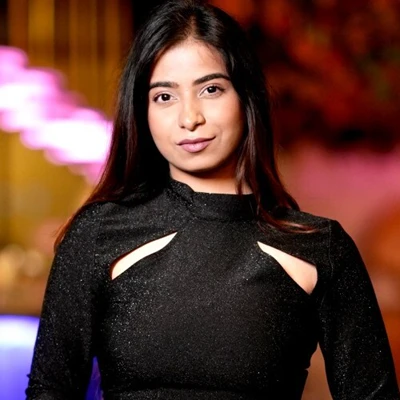
A good commercial often needs a human moment: a parent reaching for a product, a friend sharing a snack, a customer getting ready for work. Those small interactions make a product feel part of real life.
Traditionally, filming them meant finding an actor or actress, booking a studio or location, arranging lighting and wardrobe, coordinating a crew, and hoping everything came together on shoot day.
Now brands have another option. AI actors for commercials can bring human characters into ads without requiring performers to appear on a physical set for every shot. With the right creative direction and human review, teams can build convincing lifestyle scenes, product stories and social ads from a brief and approved brand assets.
That does not mean performers are irrelevant. It means the production model has changed—and brands can choose when a live shoot is necessary and when a responsible AI-led approach makes more sense.
What is an AI actor in an advertisement?
An AI actor is a digitally generated human character used in video. Sometimes that character is fully synthetic. In other projects, production may use the likeness or voice of a real creator who has explicitly authorized that use.
These are not the same thing. A synthetic character should not be presented as a real celebrity or a real customer who gave an endorsement. Using an identifiable person's image, voice or digital replica requires appropriate rights and consent, and synthetic content may need disclosures depending on the platform and format.
For brands, the practical appeal is creative flexibility. You can develop a character, choose an environment, direct the action and create different versions of a scene without gathering everyone in the same studio.
What changes when the actor doesn't have to be on set?
Think about a 20-second campaign for a new beverage. In a traditional production, you might need to cast someone, secure a kitchen location, style the set, film a pour, capture reaction shots and edit the whole sequence.
With AI-assisted production, the brand can start with approved packaging, a script and a moodboard. A producer can develop a character-led scene: someone opening the fridge, choosing the drink, taking it outside and sharing a moment with a friend. The team creates, evaluates and edits those shots to make them feel like one connected story.
You still need to make creative decisions. You still need to check the product. You still need an editor who can recognize unnatural movement or a weak performance. But you may no longer need a conventional casting-and-studio day for that particular video.
Five reasons brands are exploring virtual actors
1. Fewer physical production dependencies
There is no need to coordinate a location, crew and on-set performer for every synthetic scene. That can make shorter campaigns and new creative variations easier to plan.
2. More ways to show real-life use cases
A product can appear in a breakfast routine, a busy commute or a relaxed evening at home. The creative team can test settings that would otherwise require multiple shoots, provided the interaction is credible and the product remains accurate.
3. Character continuity across campaigns
A recurring on-screen personality can give a brand's content a recognizable look. But consistency is a production challenge: facial features, clothes, proportions and movement must be checked across every shot. Reusing the same prompt alone is not sufficient quality control.
4. Faster testing of hooks and formats
One approved creative idea can be adapted into different openings, voiceovers or aspect ratios for Instagram Reels, TikTok Shop, Meta ads or product pages. The value is not endless variants; it is having multiple finished options worth testing.
5. A practical route for smaller product campaigns
An actor-led scene may previously have been reserved for a brand's biggest campaign. AI production can make that style of storytelling practical for more products, including e-commerce listings and ongoing performance creative.
But realistic AI actors aren't enough to make a good ad
An AI-generated face can look convincing while the commercial itself falls apart. Watch what happens when the person picks up the product. Does the grip make sense? Does the label change? Is the drink being poured from the correct container? Does the actor look like the same person after the camera angle changes?
Brands need a production process that pays attention to the details an audience notices, even if viewers cannot name the exact problem.
At HumanReel.ai, the workflow starts with the brief and product references, not with a random prompt. The team develops the concept, selects the appropriate generative workflow, creates scenes, edits the sequence and reviews the work before delivery. This is particularly important for product-led commercials, where the object in the person's hand must look like the real SKU being sold.
The result is not just an AI actor moving on screen. It is a complete commercial with a purpose, a story and a finished cut.
How HumanReel handles actor-led AI video production
For a brand that wants people in its ads without organising a traditional shoot, our managed production process covers the work from concept to final delivery.
First, we define the role. Is the person a lifestyle character, a presenter, or a creator-style voice speaking to camera? The answer changes the script, shots and disclosure requirements.
Then, we establish the creative world. We agree the product references, style, setting, character direction, tone and the platform where the video will run.
Next, we generate and direct the scenes. Our team manages the prompts, model choices and iterations. We look for believable actions, consistent identities and clear product visibility.
Finally, humans finish the film. Editors shape the pacing, sound and transitions. Reviewers check accuracy and the output against the agreed brief. The file is then prepared for the destination channel. What a package includes is on the pricing page.
For UGC-style content, HumanReel's AI UGC service uses fully synthetic actors or appropriately licensed creator likenesses, with consent documentation and required disclosure built into the workflow.
A responsible AI actress or actor is not an unauthorized celebrity clone
Search interest in the actors and actresses appearing in major commercials shows that audiences pay attention to the people in ads. But it would be a mistake to treat an existing actor's face or voice as a free creative asset just because AI can imitate it.
A brand should not use an identifiable performer's likeness without the rights to do so. Where a real performer is involved, consent should identify the intended use and applicable compensation or contract terms. Fully synthetic characters are a different category, but they still must not mislead viewers through fake experiences, deceptive endorsements or inadequate disclosures.
HumanReel's published AI disclosure and consent policyrequires signed permission before using a real person's face or voice and sets out the distinction between real and synthetic people. This protects the people represented and the brands commissioning the work.
When should a brand still hire actors and use a physical studio?
AI-led commercial production is not the right answer for every production. If a campaign depends on a specific celebrity's genuine performance, a live unscripted interaction, complex real-world demonstrations or an emotionally nuanced long-form film, filming real people may be the better creative decision.
The smarter question is not, “Will AI replace actors?” It is, “Does this particular campaign need an on-set performance, or can we tell the story responsibly with AI and a human creative team?”
For many product videos, lifestyle sequences and performance ad variations, a physical shoot is no longer the only route.
Frequently asked questions
Your next commercial can start with a brief, not a casting call
You do not always need a studio, a booked location or an on-set actor to tell a human story about a product. You do need a clear concept, trustworthy production practices and someone who owns the quality of the final film.
Explore HumanReel's AI video production services or talk to our team about AI UGC. Tell us the story you want to show and where the ad will appear. We will help determine whether an AI-led, character-driven production is the right fit—and deliver a finished video, not just a generated face.