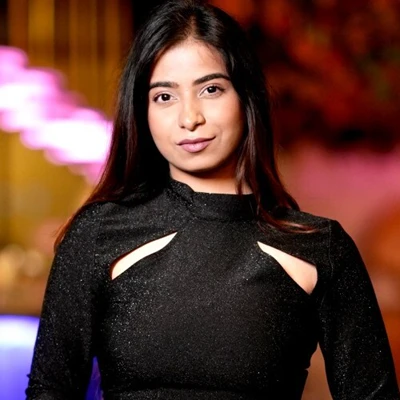
A commercial starring a real actor used to begin with a call sheet. Book the talent. Find the location. Bring in the camera crew. Make sure the actor is free on the same day as everyone else. And if the brand needs a new line or another version a month later? Start checking calendars again.
Here is the idea that would have sounded outrageous a few years ago: the actor can stay home, and the commercial can still feature that same recognizable person.
Not an anonymous, made-up AI face. Not a lookalike. The actual actor, whose image or voice is used with permission—appearing in AI-produced scenes that may never have been physically filmed.
That is one of the most interesting changes in commercial production. It does not mean actors are disposable, and it certainly does not mean their faces are free to copy. It means a brand may no longer need to bring a performer back to a studio every time it wants another advertisement.
Wait—how can a real actor appear in a video they never filmed?
The term to know is digital replica, sometimes called a digital double. In advertising, this means a digital representation based on an identifiable real person that can be used to generate new visual or vocal performances. A digital replica is different from a fully synthetic AI actor: the person being represented actually exists.
With the performer's authorization, a production team may work from suitable portraits, previously approved footage, a dedicated reference session, or a short remote recording. The exact material needed depends on the shots, tools, quality expectations and rights involved. A single photo is not a guarantee of convincing movement, dialogue or consistency.
From there, the creative team plans a new commercial, generates and refines approved shots, matches the actor's appearance across scenes, edits the film and checks the result. The actor may review the specific proposed uses remotely. For some projects, no new in-person studio visit is needed at all.
The performance on screen is AI-generated; the person being represented is real. That distinction should be clear to the brand, the performer and, where required, the audience.
Your brand ambassador is at home. Your campaign can still move.
Imagine a skincare brand that has already worked with a real actor for a launch film. The campaign performs well. Three weeks later, the marketing team needs a new holiday version, a vertical social cut and a different opening for a paid ad.
The old approach might mean calling the actor back, recreating the set, matching wardrobe and lighting, and filming another day.
With an authorized digital-likeness workflow, the brand can explore new scenarios featuring the same recognizable actor: a morning routine, a product reveal, a close-up reaction, or a new seasonal setting. Some shots will still need careful planning or live capture. But the production does not automatically have to start with another travel schedule and another studio booking.
The appeal is not just cost. It is continuity. The audience already recognizes the face. The brand already knows how that person fits its story. Instead of changing presenters for every campaign variation, it can consider reusing an approved likeness within the agreed rights and creative scope.
The actor can also remain involved in a meaningful way: approving the script, reviewing the intended portrayal, recording material remotely when needed, and agreeing to the specific uses and compensation. Staying home should not mean losing control.
What the actor doesn't have to do—and what still needs to happen
For the right ad, an in-person reshoot may become optional. That can remove several familiar production dependencies:
- No repeat studio day for every new version. A new edit or generated scene may be possible from approved assets, subject to the license and technical feasibility.
- No matching the same physical set again. A different location or environment can be developed in the AI production workflow.
- No automatic travel requirement. Briefs, asset capture, script review and approvals can sometimes happen remotely.
- No need to recreate every format from scratch. A campaign can be planned for landscape, portrait and shorter paid-social placements.
There is still real work. A recognizable face has to stay recognizable. Expressions cannot look artificial. Hands must interact naturally with the product. Any generated speech must sound appropriate and be separately authorized where required. Packaging, color, scale and claims must remain correct.
In other words, removing the physical studio does not remove direction, post-production or quality control. It changes where those responsibilities sit.
Can AI really keep the same real actor consistent in every scene?
This is the hard part—and it is where a one-click promise usually falls apart.
A generated face can look right in a front-facing close-up and different in profile. Hair can change between shots. A smile may not match the actor's real features. When an actor picks up a bottle or turns toward another person, both the likeness and the physical action have to hold together.
A serious production team needs to build continuity deliberately: select usable references, establish appearance and wardrobe rules, plan camera angles, compare renders, reject weak takes, and finish the footage with skilled editing and color work. More demanding scenes may need extra reference capture, a hybrid live-action approach or a different creative treatment.
AI can make a familiar face appear in new scenes. It cannot be trusted to preserve that face perfectly without oversight.
That difference matters because the audience will notice a familiar actor looking slightly wrong—even if the product and background are beautiful.
How HumanReel.ai can produce the commercial while the actor stays off set
HumanReel.ai is a managed AI video production agency: brands provide the brief and approved assets; human producers and editors manage generation, creative review and final delivery. That is different from handing a marketer a credit-based tool and asking them to solve every inconsistency alone.
For a real-actor, no-studio commercial, a responsible workflow looks like this:
- Establish the person and permissions. The brand identifies the real actor or spokesperson it wants to feature. Before any likeness or voice is used, the production confirms a signed release or other appropriate rights documentation, the intended ads, usage period, channels and any contractual limits.
- Review the source material. The team examines authorized images and footage and decides whether additional references or a simple at-home capture are needed. Not every script can be generated convincingly from the same assets.
- Direct the campaign before rendering. HumanReel develops the storyline, moodboard, shot plan and product references for approval. The intended role and depiction of the real actor should also be clear before generation begins.
- Produce the scenes and protect continuity. AI helps build the approved environments and shots. Human producers review facial identity, movement, visual realism and the branded product rather than assuming every result is usable.
- Finish and deliver the video. Editors assemble the strongest shots, shape pacing and sound, and prepare the finished asset for the agreed platforms. The brand approves the final cut; the actor's consent and any required disclosure remain part of the process.
HumanReel's published AI disclosure and consent policy requires a signed release before a real person's face, voice or likeness is used. Its managed AI video service describes human-led briefing, production, review and finished-file delivery. A real-performer campaign must be assessed individually for feasibility and rights. Package scope is on the pricing page.
The controversial part isn't that actors can stay home. It's who controls their digital self.
A brand should never take a performer's photo, clone the face and decide that a general model release covers unlimited future advertisements. Nor should a company secretly make a real actor deliver a line they never agreed to endorse.
Real-actor AI advertising only works responsibly when the performer knows what is being made and has agreed to it. The agreement should address the specific portrayal, media, duration, compensation, reuse, voice rights and the approval process as applicable. A new campaign or materially different depiction can require fresh permission.
This is not merely an abstract concern. SAG-AFTRA's 2025 Commercials Contracts introduced detailed consent, compensation and use protections for covered digital replicas. The union states that creation and use require informed consent and that a generated digital-replica performance triggers contractual compensation. These contract rules may not apply to every project, but they show why permission and payment cannot be treated as afterthoughts. See SAG-AFTRA's 2025 Commercials Contracts.
The best future for this technology is not to remove performers from the process. It is to let performers and brands make more work together without requiring a physical shoot for every variation.
Who should consider this production model?
Ecommerce and CPG brands can explore new lifestyle scenes around an existing approved spokesperson while keeping the actual product accurate. Agencies can develop seasonal or platform-specific creative without defaulting to a new filming schedule. Founders and brand ambassadors who already appear in their own marketing can explore ways to participate remotely. Creators and performers can consider licensing specific, approved digital uses of their likeness—on negotiated terms rather than an open-ended surrender of rights.
It is not appropriate for every campaign. A genuine on-camera testimonial, an unscripted interview or a scene requiring a specific live performance may still need a real recording. For some storytelling, the presence of the actor on set is the point.
The question is no longer whether a brand canmake AI-generated video with people. It is whether it can make a commercial featuring a particular real person while respecting that person's identity and producing a result worth publishing.
Frequently asked questions
Let the actor stay home. Let the commercial get made.
An actor can still be the face of your campaign without standing under the same studio lights for every version of it. The opportunity is a more flexible relationship between real talent and modern production—not a workaround for their permission, pay or creative contribution.
Have a real spokesperson, creator or actor you want to feature again? Talk to a HumanReel producer. Share your concept, authorized reference materials and intended platforms through our managed AI video service. We will help assess whether an AI-led, no-studio workflow is the right fit—and focus on delivering a finished commercial, not a collection of experimental clips.